Subscribe
Share
Share
Embed
Ducks Unlimited Podcast is a constant discussion of all things waterfowl; from in-depth hunting tips and tactics, to waterfowl biology, research, science, and habitat updates. The DU Podcast is the go-to resource for waterfowl hunters and conservationists. Ducks Unlimited is the world's leader in wetlands conservation.
Welcome to the Ducks Unlimited podcast, Reloaded, where we bring you the best of our past episodes. Whether you're a seasoned waterfowler or curious about conservation, this series is for you. Over the years, we've had incredible guests and discussions about everything from wetland conservation to the latest waterfowl research and hunting strategies. In Reloaded, we're revisiting those conversations to keep the passion alive and the mission strong. So sit back, relax, and enjoy this reload.
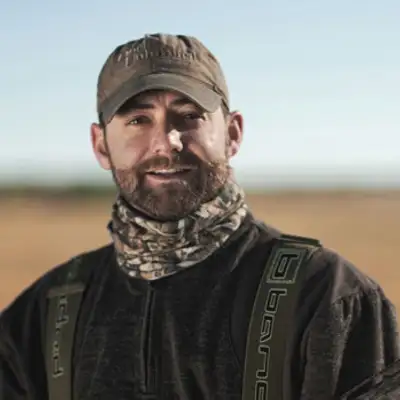
Chris Jennings:Today, I've got John Pullman, Ducks Unlimited Magazine contributor. John, welcome to the show.
John Pullman:Hey. Thanks, Chris. Good to be with you.
Chris Jennings:And I asked John to join me today to kind of rehash and go over an old piece that John I say an old piece. It's probably only two or three years old that that John did for us on ducks.org. It's called lifetime skills for the waterfowl hunter, and this is, you know, really kind of it's a a learning tool. It's a, you know, something to look at as, like, almost even the progression of a hunter. And but these are some of the fundamentals that that you kinda reached out to different experts to find out exactly what this process of learning and developing and becoming a duck hunter, not only what it is, but what are the steps to go by.
Chris Jennings:And one of the first ones is really, you know, what everyone thinks about with duck hunting. Even when you see commercials made on TV that people don't even know what they're talking about in duck hunting, they always have a call, and there's a duck call. It's almost like the symbol of being a duck hunter. Kinda talk about duck calling and the transition of learning to becoming an expert and then also to really having that as a lifetime skill for a hunter.
John Pullman:Absolutely. Well, I'll tell you just on a personal note, duck hunting is it's after my favorite part. It's my favorite aspect of a hunt. Being able to to know that you you know, watching the reaction of the birds as you as you're making some sounds on the call and and knowing that you're in some way impacting their behavior and and and bringing them closer and putting them in the end of shotgun range is just it's my favorite part. And it's it's I love the sounds.
John Pullman:Mean, I could sit and listen to one of my favorite things is is to pull up to the marsh or whatever and before before shooting light early in the morning and just rolling the window down and listen to those birds on the water, whether it's hen mallards just sounding off or widget or wood ducks or or whatever it is. I I love duck calls. I love duck calling. It's just absolutely my favorite thing. And so, you know, for the piece when I wrote, talked to Barney Kalis and Barney's a, you know, three time world duck calling champion and he's he's he's been around the block a long time as as a duck caller.
John Pullman:And, you sit and listen to Barney or any of these guys that do competition calling and whether it's Main Street Stuttgart or wherever they're at, and they roll out these fancy routines and these highballs and these hail calls and these rolling rolling chatter, you know, feeding chatter, whatever it is. And it seems so complicated. It and it probably is. But like Barney says in his piece, it when when it in terms of of of building a foundation of as a duck caller, it all boils down to really five notes, five quacks, and it's mastering that five note cadence that a hen mallard has. And from those five notes, everything else is built.
John Pullman:And it's it's as duck callers, we wanna you know, the first thing I wanted to learn was how to do that double tongue, that that, you know, the feeding chuckle. So I spend day after day trying to figure it out. But when in terms of actual in the field have an impact on thing, it's those five notes that that Ann Mallard does. And then of those five notes, it really just starts with making that very first one. And so, you know, Barney's recommendation was as if you're a younger caller or somebody that's just starting out, master that one quack.
John Pullman:And then from there, you can build on to five. And then from there, you can do the hail calls and you do the comeback calls and you can do the all the lonesome hand or the raspy hand or whatever it may be. But it all starts with those five. And just talking about it gets me excited. Honestly, it makes me want to go grab my calls and fiddle around for a little bit.
John Pullman:But it's kind of a start simple idea. And he's got some ideas in piece about the sound to make and things like that. And there are a lot different theories on what to say into the call. And Barney's is a voot. And I think he uses that idea of, you know, with the v at the beginning because a v is something that you actually have to to speak.
John Pullman:You have to actually say that, say that letter, say that sound. And in a duck call, you can't just blow air through it. You know, it's not just you actually actually make that vocalization into the call. And so that's why he recommends using that v o o t, voot, to learn that quack. And so it's yeah.
John Pullman:It it starts simple, and then from there, you can build a repertoire of sounds that you can, you know, you can use the field and and be a more effective hunter. But it all starts with that one quack. And and like I said, that those five that five note cadence that a Hen Mallard makes.
Chris Jennings:Yeah. And that's, you know, that's literally, you know, kind of I I touched on it in the intro. That's really a basic skill, but it's something that transitioned into literally the lifetime skill. And that's, you know, as you you get your greeting calls, your comeback calls, your hail calls, and, you know, and then you're getting into the feeding calls, and and and that's something that every hunter probably, you know, goes through at their own pace. You know, just on a funny note, I always I've seen seen some people out there and and a lot of young hunters that they and I think it's because the marketing machine gets them or whatever, but you see them they've got this lanyard of, like, nine calls, and they they can't blow one of them.
Chris Jennings:And it's like, you know, you gotta you gotta start start at the basics. You know? You gotta go back to the very beginning of basics before you start, you know, getting, you know, a whole lanyard full of calls. Get one. And get one that you can use and one that you can make these sounds effectively.
Chris Jennings:And and I'm kind of the same way as you. You know? I I get excited about it. And and one thing I do, I wish I was a better caller, but but I I get by. I lent I lent by on my I guess, I I do enough to get by.
Chris Jennings:Let's say that. But I but I always know there's always room for improvement every year.
John Pullman:Yeah. Absolutely. Yeah. The the duck call industry likes those lanyards full of the different calls. There's no doubt about that.
John Pullman:But, you know, it's I on my I usually have, I always have a short read boost call on there. I always have a whistle on there, so Kenny's and for Widgeon and Greenwing Teal and whatnot. And Drake Mallard call, but you know, I usually only have maybe one, maybe two duck calls on my on my lantern at a time. And and whether I have a single read on there for more of a competition style call for big water situations or big wind situations, and I usually have a double read just because it's it's a call that I just I'm really comfortable with, and I know I can make the sound that I want that I want whenever I want it. You know, and other guys I know are are doing more of the mondo style, the the cut down style calls for for different reasons.
John Pullman:But it's you do, you find one that fits you. And if there's one other tidbit of information that I would give or recommendation I would give is that learning how to be a better duck caller only happens if you actually try it out in the field. And I know there are times where you maybe don't feel comfortable doing it, but getting yourself into situations where you can go out, be around birds, and watch the reaction to what you do. That's the only way you learn how to be a duck caller. You're not gonna learn it by watching YouTube video.
John Pullman:You're not gonna learn it by, you know, by by listening to a tape. The only way you're gonna learn how to do it is to be actually out in the field and watch what those birds do to a certain sound. And that's that's that's the only place you can learn how to do it.
Chris Jennings:Yeah. That's a good point. A lot of the the best duck callers that I know are also really, really avid hunters. You know? They they spend a lot of time even when they were young, they spent a lot of time calling, you know, calling and watching how birds react and knowing the right cadence to hit at the right time, and and that's a lot.
Chris Jennings:You know, calling to the birds, not necessarily at the birds is is something that is is and that is, again, that is that is a lifetime skill to to achieve and something that is kind of the pinnacle of of becoming a duck hunter is is being a a caller. Yeah. Now I'm I'm a big fan of the whistles, you know, and and I think a lot of different people have their own, you know, personal preferences. But a lot of it also is regional. Like, where where are you hunting?
Chris Jennings:And then the guys down in Louisiana don't need a lanyard full of mallard calls. Mhmm. You know? That's just not you know, it's South Louisiana, I should say. But if I'm out if I'm hunting out in, you know, the Sacramento Valley in California, man, your focus is probably gonna be on green wings, pintails.
Chris Jennings:And so you're really gonna have a lot of a lot more variation to your calls rather than just the simple greeting call, comeback call, things like that. But but I think that's one thing for people to keep in mind. It is regional. So Mhmm. You know, if you wanna pick up a whistle or pick up you know, do something that that works for you when you're duck hunting.
Chris Jennings:And like you said, you're only gonna learn if you're doing it when you're duck
John Pullman:Yeah. Exactly. A whistle is a good is a good option too for if you got a young kid in the blind, for something for him to to to fiddle around with. And and, you know, especially if you have a Drake Mallard call or something like that, if you can you know, obviously, you don't want him blowing a whistle like a referee on
Chris Jennings:a basketball court or something
John Pullman:like that, but, you know, it's it's a it's something simple that, you know, that a younger hunter or an experienced hunter can do as well.
Chris Jennings:Yeah. And it gets them super involved in the process. That's that's a really good point. You know, the next step, though, as part of the lifetime skills of the waterfowl hunter, it's an obvious one, shooting. Mhmm.
Chris Jennings:You know, becoming a better shooter is not always just learned at the range. Kind of explain how, you know, the people that you talked to about this and also, you know, how they made some recommendations for really learning how to shoot waterfowl.
John Pullman:Yeah. You know, so the the the importance of shooting is is pretty is pretty obvious. Yeah. You know? And it's but the importance of of developing that skill is something that you're only going to get so many opportunities in the field.
John Pullman:You may have days where you only have two or three shots and you want to make the most of those. And it's not that it's always necessarily about putting birds on strap, but you know, if you go duck hunting to shoot ducks, I mean, it's it's part of it's part of it, you know. And so when you only have so many opportunities throughout the morning, you want to make sure you use the most of them. And it's it's so it's something where before a hunt, yeah, you want to you want to spend some time with your with your gun. You want to make sure that you're comfortable with it.
John Pullman:You want to make sure that you're running. If you've got an idea on on and just because a certain shot shotshell manufacturer comes out with a brand new a brand new load, the latest and greatest non tox load for ducks and geese. Just because that it looks fancy, it looks something like something that you'd love to use, it may not shoot really well through your gun. That's something you're going to want to find out before the season starts by whatever shells that you plan on shooting throughout the year, putting them through different combinations of chokes and and and and, you know, a combination of choke and shell through your gun to see which one patterns the best. You know, that's something that you don't want to necessarily have to try to figure out in the in the field.
John Pullman:And so, you know, it's the more time you invest before the hunt, the better the better off you are in the field. And I'll also I'll I'll add to this that one of the things that I have learned kind of the hard way when it comes to shooting is that, you know, you stick with what works, you know, and this is something that you and I have talked about before when I think about talking about Blue Wing Teal, about teal season, and, you know, a tip from Tony Vandermere down in Missouri about, you know, you you stick with a gun and a choke combination throughout the year that works for you. When you've when you've got it dialed in, and I and I know the gun and I know the load and I know the choke, you know, for me personally, when I'm shooting that combination, I don't care what situation I'm in. I don't care what the weather's like. I don't care what kind of birds I'm hunting.
John Pullman:I know I know that gun. I know how it shoots, and I know where to put that that barrel to to be successful. And so as tempting as it is, and this is a thing I've learned the hard way about trying new guns and trying to find maybe one gun that can do it all for me or whatever it may be, I keep going back to the old standby because it's what works for me. And Yeah. Over time, I'd like to to try some different things, but I know I got to spend some time with that, you know, outside of the outside of the blind, outside of the marsh or the field, whatever, to build some comfortable to be comfortable with it.
John Pullman:So use what you know and then practice with it, you know, outside before the hunt. That's those are the two big tips.
Chris Jennings:Yeah. And I think that's a good point as I've, you know, spent some some time the last few years kinda mentoring a younger younger guy from my neighborhood who wanted to get into hunting, and and, really, the first step with him was getting him comfortable with the gun and getting you know, he he didn't have a gun, so he was kind of borrowing, and I'd take him shooting, and he was a little hesitant. And and over the years, and then he got himself an eight seventy pump, and, you know, and then as that progression of it wasn't just shooting necessarily. It wasn't just pulling the trigger. It was everything about that that process that that kind of brought him around.
Chris Jennings:It it was all about him just spending more time, you know, with the gun as far as loading and unloading and and mounting and, you know, the whole process. And I think that's a good thing that you brought up is just being being comfortable. And I I kinda saw that, and I I guess I took it for granted with me because I shoot a lot. So, you know, I just looked at it as like, hey, man. Here's how you do this.
Chris Jennings:Here's how you do this. And and and as we're going through that, it took him a lot longer than what I thought. I was like, you know, what's he doing? Or, you know, I'm I'm not saying it to him necessarily, but and he'd, you know, missing all the time, and he was frustrated about that. And then and then as he familiarized himself with the loads and with, you know, the the recoil, everything about it is something that, you know, people over time, it it really becomes a a the progression of of shooting.
Chris Jennings:And not only just shooting, like I mentioned, it's actually shooting a duck or a goose in the field. Mhmm. And and that's and I think that's the key to to kinda what even your article is lending itself to.
John Pullman:Absolutely. Being comfortable, being confident with it. I mean, was a there was a saying in the Old West, you know, beware the man with one gun. I mean, when you know when you're comfortable with that gun and you you feel confident with it, you're gonna be gonna be more successful.
VO:Stay tuned to the Ducks Unlimited podcast, sponsored by Purina Pro Plan and Bird Dog Whiskey after these messages.
Chris Jennings:Alright. And, you know, the next topic in this lifetime skills for the waterfowl hunter is kind of the subhead that you you provided on here was called scouting the big picture. And it's really a look at when you're scouting, you're not necessarily just looking for the ducks and the geese. You know? You're you're there's so much more to scouting and learning how to scout for ducks.
Chris Jennings:And we could probably do an entire podcast strictly on this topic. I mean, we could talk for days about scouting. But kinda go into to the way that that you were kinda painting this picture as adding this as one of the skills that every waterfowl hunter must have.
John Pullman:Yeah. Absolutely. You know, you go out scouting, you know, like I did this morning, going out scouting for birds and looking for looking, you know, looking for them in there, whether they're going out feeding around the water, whatever it may be. Whenever you come across a concentration of mallards or Canada geese or snow geese or whatever it is, that's just one moment in time in their daily routine. And it's an important one.
John Pullman:You know, it's it's probably the one moment that you that you start with in terms of trying to formulate a hunt and a plan and those things. But it's just one moment in time in their day. And when I talk about scouting the big picture, the idea is that you are not just trying to figure out that one moment in time, but you're trying to figure out you're trying to put every other piece of that puzzle together so that you may discover along the way that there is a situation or point in their day to day routine that works a whole lot better for you, where maybe you're going to be able to hide better or you're going to be able to be on the X or you're going to be able to use the wind and the sun to your advantage more, whatever it may be. And so the idea then is to, like I say, if you find a group of birds in a in a field or whatever, try to figure out where they've been before that and then try to figure out where they're gonna go after that. And, you know, just for instance, if if I find a group of Canada geese that are using a silage field or cornfield here in South Dakota, and I discover I I say I I see 500 of them out in the field, which is pretty that's a decent number.
John Pullman:It's not a ton, but it's a pretty decent number. And I'm making plans to hunt that the next morning. And the next morning, before I do that, you know, I decide, you know, I'm gonna check this out one more time just to make sure whatever. And I get out there the next morning before they come in, and I discovered that those 500 birds are coming to that field in two huge flocks.
Chris Jennings:Mhmm.
John Pullman:And all of a sudden, ah, that's that's really not I mean, it's if it's my only option, fine. That's what it is. And I'll I've got two opportunities to make some shots, whatever it is. But a field of 500 then isn't maybe as appetizing to me or as as as, doesn't look quite as good as a field with maybe 200 in it, but they're coming in packs of four or five at a time or singles or pairs. And so it's, again, it's just kind of getting this understanding of of what these birds are doing, how they're coming to a field, where they're going to it afterward.
John Pullman:And and it's once you can once you can figure out those different pieces of the puzzle, it it it just made it can open up different windows of opportunity for you. And so it's, again, this idea of don't just focus on that one point of the day, see what else you can figure out, you know, and because the more you know, the better off you're going to be.
Chris Jennings:Yeah. And that is a very good point. And even that changes, you know, that that big picture gets even bigger as you look at it from a, hey. There's a weather system coming, and you and you can learn what these birds do on different systems. You know?
Chris Jennings:Maybe it's a a very light north breeze, or maybe it's a, you know, 25 mile an hour northwest blow that you know, what are these birds doing here? What are they doing when there's snow? You know, the difference between an inch of snow and six inches of snow, especially with Canada geese, can can really change up the way these birds react to different things. And and that's part of that scouting big picture. You know, you can learn more about this and and more about the birds and the habitats they're using by by really taking a I'd like to always say, like, a 50,000 foot level perspective.
Chris Jennings:Looking at it in a in a huge, huge scale rather than just, hey. There's eight ducks over there, and I'm gonna go hunt there.
John Pullman:Exactly. And, you know you know, Chris, and that and that's a a good way of looking at it too. And, you know, I talk a lot so much about you know, in South Dakota, my my way of hunting is a lot different than it is in other parts of the country, for better, for worse in in some ways. And so, you know, for for hunters that are tied into a lease, and this is where they're gonna be going no matter what, you can still apply this idea, like you said, in terms of of of paying attention to all the different factors that go into a hunt, whether that's wind direction or weather or the amount of sun or whatever it may be, just the more that you know is is gonna is gonna help you out in the long run, and it may help you determine where you're gonna where you're going to set up that day. Or if the wind is blowing from a roost area, you're going to need to set up further away from where they're so you're not spooking them off the rooster, whatever it may be.
John Pullman:But just as you're learning on how to scout, you know, learn part of that process is looking at all the different factors that impact that, you know, that impact those birds on a day to day basis. And the more pieces of that puzzle that you can put together, the better off
Chris Jennings:you are. Absolutely. That's that's great. That is that is certainly, you know, life lessons that, you know, some hunters may not have the full, you know, understanding of this just because of the different habitats that they hunt. But but knowing you know, I always talk to guys, especially guys from the South who it is a lot of leases.
Chris Jennings:It is a lot of you know, it's not necessarily everything that they're doing is not based on that scouting, but then they wanna take a trip up to North Dakota and do a freelance hunt. I'm like, man, you got Sure. You got you got you got something coming to you that you're gonna have to learn real quick.
John Pullman:Yep.
Chris Jennings:So that's something for hunters to keep in mind is is really building that that less that life lifetime skill of scouting. The next one on your list here is creating motion in the decoys. This is no secret. This is no, you know, eye opening. You know, we're not we're not breaking any news here that motion is the key to success on on a lot of occasions and and really most occasions, I should say.
Chris Jennings:But what were the first kind of steps that that you kinda talked with or talked to here, the experts saying, you know, how to how to get started in doing this and learn how to use motion as as much more than just, hey, let's throw out a mojo.
John Pullman:Yeah. Exactly. So, you know, I talked to Rusty Creasy, and Rusty, you know, manages the Coca Cola Duck Club in Arkansas, you know, this storied place, and and it's it's someplace I'd love to go myself someday. And and Rusty, you when I talked to him, he's he talked about how it's one of the first things that he learned was the importance of of motion in the decoys. And this is long before, you know, spinning wing decoys were around.
John Pullman:And, you know, you always hear stories about about guys hunting flooded timber that are kicking the water to create that ripple on the water, that sound of ducks actively, you know, in the water. It and it's you know, and I think that's what Rusty was was hinting at, you know, in in his some of his comments in the article that, you know, when you look at ducks on a water, or geese for that matter, there's motion. They're moving. They're feeding. They're they're dabbling.
John Pullman:They're they're tipping up. They're whatever it may be. And so as hunters, obviously, you wanna try to emulate that in your in your decoy spread. And so, you know, when we think about motion of the decoys today, so much of it is motorized decoy. And and that that is certainly that is certainly true.
John Pullman:That is that is, you know, revolutionized hunting in a lot of ways. But, you know, Rusty kind of made the commenter, you know, that you use that motion though in the same way that you you use a duck call. And that there are times where a lot of it works, and there are times where a little of it works. And there are some times where maybe none of it, you know. Maybe Mhmm.
John Pullman:Later in the season, birds are used to used to motion of, you know, whether it's a spinning wing or whatever, and that it's it's something that you're gonna have to cut way back. And so his his ideas again, it comes it comes back to when you're talking about motion, paying attention to how the birds react to it, just like you would with a duck call and watching their reaction to it. And, you know, the tool that he mentions and the tool that so many duck hunters mention that, even though, you know, some of your best duck callers that we have, you know, Jim Ronquist is one from RNT that I think of all the time where he puts his duck call away and he pulls a jerk string. And and that's sometimes your best call is that just that little added bit of motion. You know, I remember, you know, it's something that I didn't use growing up a lot, know, but probably about fifteen, twenty years ago maybe I started using a jerk string and I put it out for the first time, really not really thinking much about it.
John Pullman:It was, you know, something I'd never tried before. And I was hunting some early season ducks in South Dakota and duck call is just not effective. They're just not really social at that point of the year. And I was trying to get, you know, I was hitting these mallards and pintails with my best stuff and nothing was working. So finally I did.
John Pullman:I put the duck call down and I started yanking on that jerk string, same place, at the same time I would I would normally hit a duck with a duck call, the same point when they're working, swinging the decoys, and all of a sudden there was reaction. And I went from zero sixteen, I mean, was birds not paying attention to me, all of a sudden that they were. And it was just that little added bit of motion in the decoys. And so, like I say, it's something that you, when you're learning how to do it, pay attention to how the birds react to it, and then off of that. Sometimes you need more, sometimes you need less, and sometimes you can leave your duck hole alone.
John Pullman:You can leave your mojo alone, and just, like I say, add add some motion, whether it's kicking the boot in the water or or yanking on that jerk string.
Chris Jennings:Yeah. And there's so many options for that. I'm a big fan of the jerk string. I'm a big fan of the Jerk String even in some of these large rice fields that that I hunt in down in in Arkansas. You know, a lot of guys rely on the the spinning wings.
Chris Jennings:But if you drive across Arkansas in the middle of duck season, you can drive down roads, and you can see every single blind because there's two or three dozen decoys and a spinning wing decoy right out front. And so with the jerk cords, what I'm going for is really just giving them something different. Mhmm. But it's all falls under that motion, you know, that the whole aspect of motion and and, you know, to each their own and each whatever people use for motion, but it's just a good reminder that that motion is is so key to success that, you know, there there are so many different ways to do it. And even more so, you know, as the as technology gets better and all of these, you know, different companies are coming out with spinning wings and, you know, what is it, spitters and, you know, flappers and flippers and, you know, whatever.
Chris Jennings:You know? There's so many different options that you know? And that's why these companies are coming out with that because they all know that, you know, motion is key.
John Pullman:Exactly.
Chris Jennings:So the last one on your list for lifetime skills, and I thought this was, you know, such a great addition to this list and and this article and and something that a lot of people forget about is it's people skills. The ability to communicate with other people, you know, successfully, I guess I should say. Kind of explain why this people skills was added to this, you know, monumental list of lifetime waterfowling skills.
John Pullman:Absolutely. You know, so when you think about a day of an average day for a duck hunter, and doesn't matter if you're in South Dakota, Arkansas, Oregon, or wherever you're at, chances are You may be alone, but chances are somewhere along the line, somebody had a hand in that experience for you, whether that's a landowner, maybe a buddy that's lent you his decoys for the day or blind for the day, or you've partnered up and you've purchased a big A frame together or whatever it may be. Or maybe there's other people in the field. Maybe you're sharing a public area with two or three other groups of hunters. It's this idea of people skills is that are impacted by others in in your hunting experience almost every time you go out.
John Pullman:And so Mhmm. By developing people skills and communication, kindness, flexibility, those things that are important, the things that we try to teach our kids, honesty. They those same skills that help us in in life in general, they as a duck hunter, as a wonderful hunter, they they help you there too. And you take a landowner, for instance, if you're in a position where you're able to scout and find a place to hunt, knock on a door or make a phone call and get permission to hunt, You know, it's a simple it's extending a thank you afterward or a gift. You know, some people will will share something or it's a simple thank you card.
John Pullman:That's one of the things that I try to do with hunters or with landowners that I that that give me permission to hunt is that, you know, in addition to giving them something if if they would like that, you know, whether it's a a gift card to a restaurant or something, I just try to send them out my our family Christmas card at the end of the year Mhmm. Just as a way to say, thanks for letting me thanks for letting me access your ground. I know you don't have to do that. And I really appreciate it. And and then beyond that, you know, keeping those communications, that line of communication open so that the next time they see or hear from you isn't the night before that you wanna, you know, shoot mallards in their cornfield.
John Pullman:And so it's it's it's an issue of respect and it's an issue of kindness and appreciation. And and so, you know, landowner is is one area of that. And like I mentioned before, you know, being able to include friends in a hunt and and pool resources. You know, I know that's something that's especially important maybe when you're hunting snow geese or these other gear intensive, you know, pursuits. Being able to have a group of buddies that you can count on to help you scout or help you put together a decoy spread or whatever it may be.
John Pullman:And then probably the the outside of the landowner, one that one that's probably the most important though is just dealing with other hunters and being respectful. It's you know, we all we've all had instances maybe where we've run into people that didn't behave the way that we would like them to. And chances are we've probably behaved at times where we know we could have done better. So it's recognizing that we're all kind of in the same fight together. And if I'm within a shorter distance of another group that's hunting a safe distance, but a shorter distance, that if I see birds that are working them, then I'm not going to be trying to call them off of them or just being respectful of their experience.
John Pullman:And so it's it's not something you would necessarily think of as a waterfall hunter, but people skills, I think, are right up there as some of the most important, some of the most important skills that you can work on and hone and and have as a as a hunter.
Chris Jennings:Absolutely. And and I think the landowner relationships is a is a good point to bring out, you know, but my my key that I'd I'd take in on that is is really being kind to other hunters. Mhmm. And and it all just comes down to just don't be a jerk. I mean, I've been at, you know, everything from boat ramps to, you know, local diners where where guys are arguing about stuff and, you know, they're they're upset and and, you know, one guy did something that another guy didn't like or whatever.
Chris Jennings:And and and just being mindful of of what you're doing out there. And and like you said, we're we're kind of all on the same team here. Mhmm. You know? And and, really, the reality is there's not a lot of us.
Chris Jennings:And and so it's something to keep in mind as far as people skills. And and another thing that I would add to this is is being kind and and treating others with respect as far as even, you know, representing an entire group of people as far as being considered a waterfowl hunter. I mean, I go I spend a lot of time in Arkansas during duck season, and and you go into a gas station, and, you know, eight out of the 10 people in there are are duck hunters. And you know it, And everyone in there knows that the people who own the gas station know it. And and people have to remember that they're representing an entire group of people with some of the actions that that they make.
Chris Jennings:And and and I I've done a lot of times where I'm just like, hey, man. You know, you guys having any luck? And guys are just like, why would I tell you? You know? I'm not I'm not asking for your spot.
Chris Jennings:I'm just being friendly here. Yeah. And so it's something to keep in mind. And in the field, out of the field, it's definitely definitely on the top of the list of of things for for people to to know. I'm sure we could probably do, like I said, another entire podcast of stories, probably just stories that you've had and stories that I've had that would make you cringe looking back on it, oh, man.
Chris Jennings:I can't believe that guy was so rude. You know? But we'll maybe we'll save that for another day.
John Pullman:Yeah. No. We sure we sure could. But, yeah, absolutely. I agree.
John Pullman:You're you're you have an impact on the on the entire Waterfall community by your actions, whether that's leaving trash or or not closing the gate or or being rude to a landowner or whatever it is, that we're all better off if we are if we're if we know we're in it together.
Chris Jennings:Absolutely. That's our that's our public service announcement for the day. Don't be a jerk in the field.
John Pullman:That's right.
Chris Jennings:Well, John, this has been great. This is a great list. People can find this article. It's called lifetime skills for the waterfowl hunter. It's on ducks.org.
Chris Jennings:I'm sure you'll see it as we, you know, progress throughout the season, and and we'll post this kind of stuff on our social media site. But, John, thanks for joining me today. It's been awesome.
John Pullman:Yeah. Absolutely, Chris. Thank you.
Chris Jennings:I'd like to thank my guest, John Pullman, Ducks Unlimited Magazine contributor, for joining me today and going through this this great article of lifetime skills for waterfowl hunters. I'd like to thank our producer Clay Baird for doing a great job getting the podcast out, and I'd like to thank you, the listener, for joining us on the Ducks Unlimited podcast and supporting wetlands conservation.
VO:Thank you for listening to the DU podcast sponsored by Purina Pro Plan, the official performance dog food of Ducks Unlimited. Purina Pro Plan, always advancing. Also proudly sponsored by Bird Dog Whiskey and Cocktails. Whether you're winding down with your best friend or celebrating with your favorite crew, Bird Dog brings award winning flavor to every moment. Enjoy responsibly.
VO:Be sure to rate, review, and subscribe to the show and visit ducks.org/dupodcast. Opinions expressed by guests do not necessarily reflect those of Ducks Unlimited. Until next time, stay tuned to the Ducks.